Size is not the whole picture
It is tempting to choose a maker by the size of model they have built before. But two models of the same footprint can demand very different skills: one a clean, monochrome massing study; the other a fully detailed, lit, cutaway presentation piece.
Capability-based matching looks at the full set of demands a project places on a maker, then considers who has relevant experience against each.
The factors that define a match
Dimensions and scale: what physical size and level of detail are required.
Complexity and detailing: conceptual, presentation, or detailed technical.
Materials and finish: facade materials, landscape, signage, paint and texture.
Lighting and moving features: integrated lighting, mechanisms, removable elements.
Budget and timeline: what is realistic for the required date.
Capacity and location: whether the maker has capacity now and can deliver or install where you need.
A suitable match may not always be available. That is honest, not a failure of the process.
When one maker is not enough
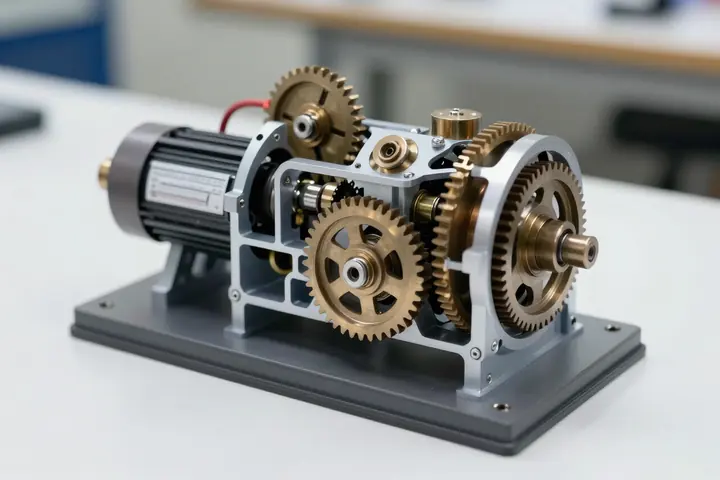
Some projects combine categories — an architectural model with 3D-printed components, or an exhibition model with a working mechanism. In those cases, one specialist may not cover everything.
For mixed requirements, it can be appropriate to work with several specialists rather than force one maker to stretch beyond their strengths. Vistar helps clarify whether one maker or several may be appropriate.
What Vistar does and does not do
Vistar Models considers potentially relevant capabilities and availability, and facilitates introductions where relevant capabilities exist. We do not manufacture, and we do not guarantee a match, quality, price, delivery or maker performance.
Network participation is not a verification or performance guarantee. Clients should conduct their own due diligence before appointing a maker.